Electronic Check Processing: Understand E-Checks and Check 21
What Are E-Checks?
Electronic check processing begins with e-checks, digital equivalents of paper checks drawn from a checking account. These files contain the same data as traditional checks—routing number, account number, amount, and payee—but exist purely in electronic form. Businesses and individuals authorize payments via ACH networks or secure portals, eliminating paper handling from the start.
Key Components of an E-Check
An e-check includes MICR line data for identification, digital signatures for authorization, and metadata for tracking. Processors convert this information into standardized formats compatible with banking systems.
E-Checks vs. Traditional Checks
Paper checks require physical transport and manual verification, while e-checks transmit instantly. Under Check 21 rules, even scanned paper checks become digital substitutes, blurring lines but highlighting e-checks' native efficiency.
Check 21: Foundation of Modern Electronic Check Processing
Check 21 Act, enacted in 2004, legalized Image Replacement Documents (IRDs), allowing banks to clear checks using digital images instead of originals. This shift accelerated electronic check processing nationwide.
Core Provisions of Check 21
The law mandates banks accept IRDs as legal equivalents, sets standards for image quality, and requires warranties against alterations. It directly enables faster clearing times, often same-day settlement.
Impact on Banking Operations
Before Check 21, checks traveled by truck or plane; now, electronic images move at light speed. Processing volumes surged as costs dropped by up to 40% per transaction through reduced transportation.
How Electronic Check Processing Works Step by Step
Electronic check processing follows a sequence: capture, transmission, validation, and settlement. Merchants scan or receive e-checks, then route them through networks like the Federal Reserve or private clearers.
Capture and Digitization
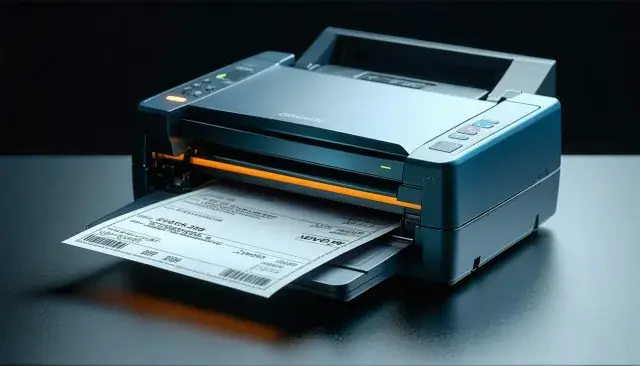
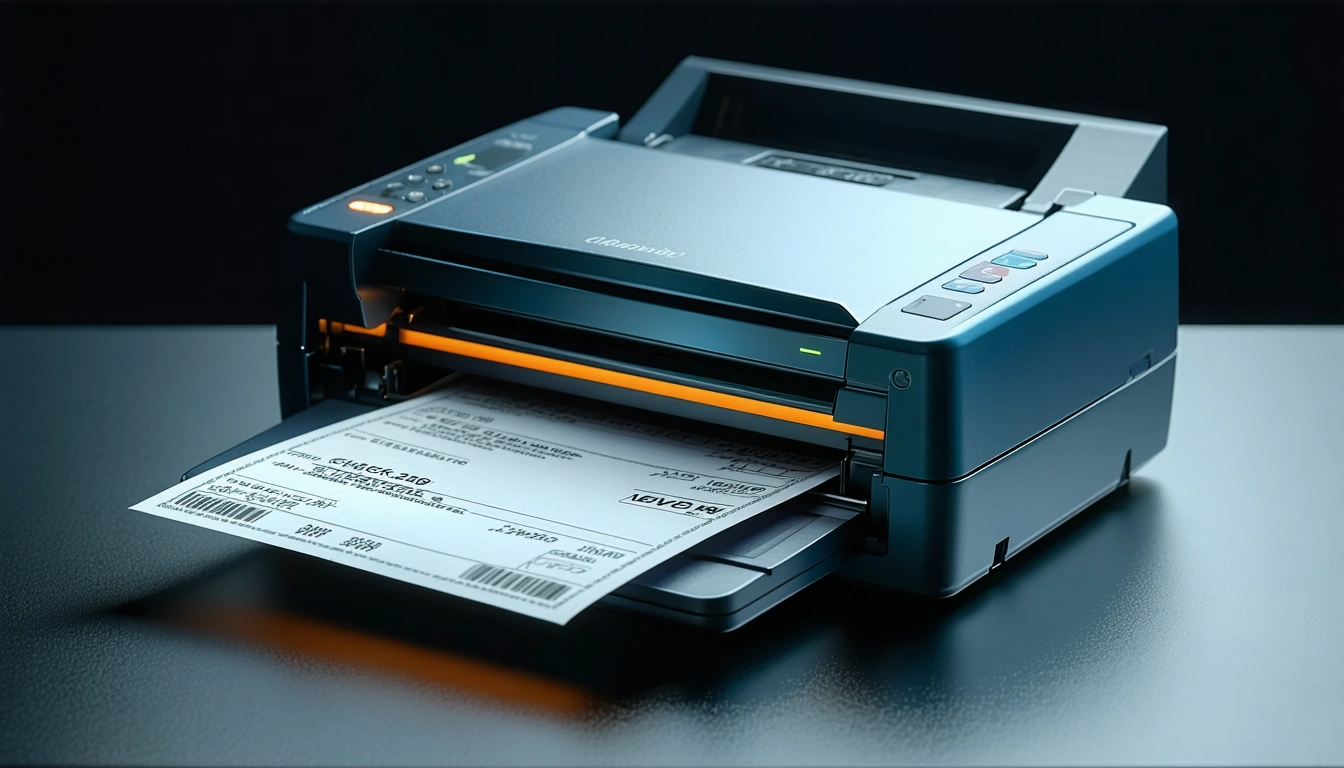
Devices scan paper checks into IRDs compliant with Check 21 specs, or systems generate pure e-checks from online forms. OCR technology extracts MICR data accurately.
Transmission and Clearing
- Submit to ACH or check clearing networks.
- Receiving bank verifies funds and images.
- Return items electronically if issues arise.
Settlement and Posting
Funds transfer via Fedwire or CHIPS; payee accounts credit within hours. Check 21 ensures legal finality without original documents.
Benefits and Cost Savings
Adopting electronic check processing cuts processing time from days to hours, reduces errors, and lowers expenses. Businesses gain predictable cash flow and scalability.
Speed and Efficiency Gains
Check 21-enabled processing achieves 95% same-day availability for most checks, compared to multi-day floats previously.
Cost Reductions
Eliminate mailing, storage, and manual handling; per-check costs fall below $0.10 from $1+ for paper.
Risk Mitigation
Digital trails enhance fraud detection; real-time alerts prevent unauthorized draws.
Security and Compliance in Electronic Check Processing
Electronic check processing demands robust safeguards against fraud and data breaches. Check 21 includes provisions for image integrity, but processors add layers.
Common Risks
Altered images or account takeovers pose threats; truncation fraud, where originals vanish post-scan, requires careful handling.
Best Practices
- Implement multi-factor authentication for submissions.
- Use end-to-end encryption for transmissions.
- Conduct regular audits of IRD quality and retention policies.
Regulatory Compliance
Adhere to NACHA rules for ACH e-checks and Check 21 warranties; PCI standards protect any card-linked systems.
Implementing E-Checks for Your Business
Transition to electronic check processing starts with selecting gateways integrated with Check 21 clearing. Test volumes before full rollout.
Choosing a Processor
Evaluate providers for Check 21 compliance, API ease, and return rates. Integrate with accounting software for seamless posting.
Merchant Onboarding
Verify customer accounts via micro-deposits; train staff on capture devices. Monitor first-month returns closely.
Scaling Up
Automate high volumes with batch processing; analyze metrics like approval rates to optimize.
How does Check 21 affect consumer check deposits via mobile apps?
Mobile deposits create IRDs under Check 21, which banks clear electronically. Funds hold periods shorten to one business day for most, but banks may extend for risk.
Can e-checks bounce like paper checks?
Yes, insufficient funds trigger returns, processed electronically within two days. Fees apply, and repeat offenders face account restrictions.
What equipment is needed for electronic check processing?
Scanners with MICR readers and Check 21-compliant software suffice for entry-level. Cloud gateways handle pure e-checks without hardware.
Is electronic check processing available internationally?
Limited to US banks under Check 21; cross-border uses ACH conversions or wires, subject to correspondent fees and delays.
How secure are e-checks compared to ACH transfers?
Both use encryption and authentication, but e-checks carry Check 21 warranties against image fraud. ACH adds NACHA's three-day return window.
What happens if a Check 21 IRD is rejected?
Banks notify electronically; originators resubmit corrected images or pursue paper fallback. Warranties cover losses from defects.